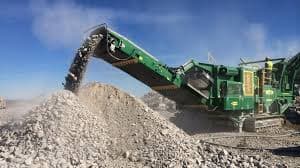
How Concrete Recycling Works: From Demolition to Driveway
Every year, millions of tons of concrete get demolished across the US - old highways, parking lots, residential driveways, commercial buildings. Most of it doesn't end up in a landfill. It gets a second life through recycling.
An inside look at how the process works, from the moment concrete leaves a demo site to when it becomes a usable product again.
The Concrete Recycling Journey
Phase 1: Collection and Sourcing
Concrete recycling starts with collection. Material comes from:
Demolition Projects
- Building teardowns
- Bridge replacements
- Highway reconstruction
- Parking lot removals
Construction Sites
- Excess ready-mix concrete
- Broken or rejected precast pieces
- Foundation overruns
- Cured concrete from equipment washout
Residential Sources
- Driveway replacements
- Patio demolitions
- Sidewalk repairs
- Pool removals
Contractors haul material directly to recycling facilities or hire haulers. Some recyclers offer on-site crushing for large projects, bringing portable equipment to the demo site.
Phase 2: Initial Inspection and Sorting
Not all concrete is recyclable. When loads arrive at the yard, they get inspected:
Accepted Materials:
- Plain concrete
- Reinforced concrete (with rebar)
- Concrete block and CMU
- Brick and masonry (sometimes)
- Concrete curb and gutter
Rejected Materials:
- Concrete contaminated with asphalt
- Material with attached wood or drywall
- Painted or sealed concrete (sometimes)
- Anything mixed with trash or hazardous materials
Contaminated loads get rejected or charged premium disposal fees. That's why keeping demo materials separated matters.
Phase 3: Pre-Processing
Before crushing, concrete goes through prep:
Breaking Down Oversize Pieces
- Excavators with hydraulic breakers handle massive chunks
- Some facilities use drop balls (heavy weights dropped on concrete)
- Goal: get material down to crusher-feedable sizes (typically under 24")
Rebar Removal (Initial)
- Some reinforcement is removed manually at this stage
- Workers cut exposed rebar with torches
- Pre-removal makes crushing more efficient
Stockpiling
- Sorted material is staged for the crusher
- Facilities maintain inventory for consistent production
Phase 4: Primary Crushing
The heart of concrete recycling is the crusher. A few types are common:
Jaw Crushers
- Two heavy steel plates compress material
- Great for initial size reduction
- Produces 2-6" output
- Rugged and low maintenance
Impact Crushers
- Use high-speed rotating hammers
- Material is thrown against breaker plates
- Creates more angular, cubic product
- Common for secondary crushing
Cone Crushers
- Material is crushed between spinning cone and outer shell
- Produces consistent, well-graded material
- Used for final sizing
Typical Crushing Sequence:
- Primary jaw crusher: Reduces to 4-6" minus
- Magnetic separation: Removes rebar and metal
- Secondary crusher: Reduces to 2" minus
- Screening: Sorts by size
Phase 5: Metal Separation
One of the most critical steps. Concrete contains plenty of metal:
- Rebar (reinforcing steel bars)
- Wire mesh
- Metal conduit
- Bolts and anchors
- Miscellaneous hardware
Separation Methods:
Magnetic Separation
- Powerful electromagnets mounted over conveyor belts
- Pull ferrous metals from material stream
- Multiple magnets catch what others miss
Eddy Current Separators
- Handle non-ferrous metals (aluminum, copper)
- Create opposing magnetic fields that repel metals
- Less common in basic RCA production
The extracted steel gets baled and sold to metal recyclers - an extra revenue stream for the facility.
Phase 6: Screening and Sizing
After crushing, material gets screened into marketable products:
Typical Product Sizes:
| Size | Common Names | Primary Uses | |------|-------------|--------------| | 3/8" minus | Crusher fines, screenings | Pipe bedding, compaction, paver base | | 3/4" | #57 stone, 3/4 clear | Drainage, French drains, concrete mix | | 1-1.5" | #467, 1" clean | Base course, backfill | | 2-3" | #2 stone | Driveway base, erosion control | | 3-6" | #1 stone, rip rap | Heavy erosion control, drainage channels |
Screening Equipment:
- Vibrating screens with different mesh sizes
- Material falls through to appropriate pile
- Oversize material returns to crusher
Phase 7: Quality Control
Reputable recyclers test their products for consistency:
Tests Performed:
- Gradation analysis - particle size distribution
- Moisture content - affects weight and workability
- Contamination check - making sure material is clean
- Compaction testing - for base applications
- LA Abrasion - durability testing (for DOT specs)
Quality RCA meets the same specs as virgin aggregate for approved applications.
Phase 8: Stockpiling and Sales
Finished products are stockpiled by size and type:
Storage Considerations:
- Separated by product size
- Protected from contamination
- Accessible for loader operations
- Properly drained to prevent moisture issues
Sales Channels:
- Direct to contractors (bulk orders)
- Pickup by homeowners (smaller quantities)
- Delivery by company trucks
- Third-party haulers
What Becomes of Recycled Concrete?
The finished products go a lot of places:
Road Construction
- Base and subbase layers
- Shoulder material
- Temporary construction roads
Site Development
- Parking lot bases
- Building pad preparation
- Backfill material
Drainage Applications
- French drain aggregate
- Retention pond lining
- Stormwater management
Residential Projects
- Driveway base and surface
- Walkways and paths
- Landscape edging fill
Erosion Control
- Riprap for slopes
- Channel lining
- Coastal protection
The Environmental Impact
Concrete recycling delivers real environmental benefits:
Landfill Diversion
- Concrete is heavy and takes up massive landfill space
- One demolished building can produce hundreds of tons
- Recycling extends landfill life dramatically
Resource Conservation
- Reduces need for quarrying natural aggregate
- Preserves rivers and streams (sources of natural gravel)
- Protects natural habitats
Energy Savings
- Local recycling vs. long-haul from distant quarries
- Less crushing energy than hard rock aggregate
- Reduced transportation emissions
Carbon Footprint
- Lower CO2 compared to virgin aggregate production
- Supports green building initiatives
- May qualify for LEED credits
Innovations in Concrete Recycling
The industry keeps evolving:
Mobile Crushing
- Portable plants brought to demolition sites
- Eliminates hauling costs
- Immediate material reuse on site
Advanced Sorting
- AI-powered contamination detection
- Optical sorting systems
- Automated quality grading
High-Value Applications
- RCA in new concrete mixes (with proper processing)
- Manufactured sand from fines
- Engineered aggregate products
Carbon Capture
- Research into CO2 absorption by crushed concrete
- Concrete as carbon sink
- Climate-positive products
Finding a Concrete Recycler
Look for facilities that offer:
- Clean, well-organized operations
- Consistent product sizing
- Quality testing documentation
- Competitive pricing
- Convenient location
- Both drop-off and pickup options
- Knowledgeable staff
Wrapping Up
Concrete recycling turns waste into useful construction material. The process is straightforward - crush, separate, screen, sell - but the impact is big. Every ton recycled is a ton kept out of landfills and a ton of natural resources preserved.
Next time you see a demolished building or torn-up parking lot, you'll know: that concrete isn't trash. It's raw material for somebody's next project.
Need concrete recycling in Blount County, Maryville, Alcoa, or the surrounding East Tennessee area? SMSG takes clean concrete for recycling and sells quality RCA products. Call (865) 999-0857 for current pricing and availability.
Ready to get started?
Serving Blount County, Knox County, and the greater East Tennessee region. Mon-Fri 7am-5pm, Saturday 8am-12pm.