RCA for Driveways vs Gravel: Cost, Lifespan, and Which Wins
TL;DR — RCA wins on cost ($15-$35/ton vs $25-$50/ton for crushed stone), compaction, and durability. Traditional crushed stone wins on appearance and color options. For pure function and value pick RCA; for curb-appeal driveways pick crushed stone — or use RCA for the base and decorative gravel on top.
You've decided on a gravel-style driveway, but now comes the big question: should you use traditional gravel or recycled concrete aggregate (RCA)?
Both work great for driveways. Both are affordable. But they're not identical. This guide gives you an honest comparison so you can pick the right one for your property.
Quick Comparison
| Factor | RCA (Recycled Concrete) | Traditional Gravel | |--------|------------------------|-------------------| | Cost | $15-$35 per ton | $25-$50 per ton | | Durability | Excellent | Good to Excellent | | Compaction | Superior | Good | | Appearance | Gray/white, variable | Wide color variety | | Drainage | Excellent | Excellent | | Maintenance | Low | Low to Moderate | | Environmental | Eco-friendly | Higher impact |
What Is RCA?
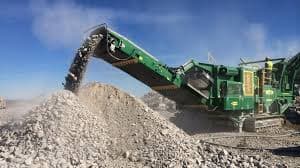
Recycled concrete aggregate is crushed concrete from demolished structures - old driveways, buildings, sidewalks, and more. The concrete is run through crushers, screened by size, and sold as aggregate material.
What Is "Gravel"?
"Gravel" is a catch-all term that covers:
- Crushed stone - Quarried rock crushed to size
- Pea gravel - Small, rounded stones
- River rock - Smooth, water-worn stones
- Crusher run - Mixed crushed stone with fines
For driveway purposes, we'll compare RCA to crushed stone (the most common gravel driveway material).
Cost Comparison: RCA Wins
RCA Pricing
- Material: $15-$35 per ton
- Delivery: $50-$150 depending on distance
- Average 200 sq ft coverage per ton at 4" depth
Crushed Stone Pricing
- Material: $25-$50 per ton
- Delivery: $50-$150
- Similar coverage rates
Real-World Example: 12' × 60' Driveway
| Material | Tons Needed | Material Cost | Delivery | Total | |----------|-------------|---------------|----------|-------| | RCA | ~8 tons | $200-$280 | $100 | $300-$380 | | Crushed stone | ~8 tons | $200-$400 | $100 | $300-$500 |
Savings with RCA: $0-$120 on materials
For larger driveways (500+ sq ft), RCA savings get significant.
Durability: RCA Has an Edge
Something most people don't realize: RCA often outperforms virgin gravel in driveway applications.
Why RCA Compacts Better
- Angular shapes - Crushed concrete has irregular, jagged edges that interlock
- Residual cement - Trace amounts of unhydrated cement can reactivate with moisture, creating minor binding
- Self-cementing properties - Over time, RCA driveways get progressively more solid
- Varied particle sizes - Natural gradation fills voids better
What This Means for Your Driveway
- Less shifting and spreading
- Fewer ruts from vehicles
- Better load distribution
- Longer life with less maintenance
Traditional Gravel Durability
Crushed stone driveways also last decades when properly installed. The key differences:
- May need more frequent top-dressing
- Looser surface layer (can be good or bad depending on preference)
- Performance depends heavily on stone type
Appearance: Gravel Offers More Options
This is where traditional gravel has a clear advantage.
RCA Appearance
- Color: Gray to white, with occasional colored aggregate showing
- Consistency: Variable - you'll see different colored specks, occasional tile or brick fragments
- Look: Industrial, utilitarian, "construction site" aesthetic
Some people love the recycled look. Others don't. It's subjective.
Crushed Stone Options
- Colors: White, gray, tan, brown, red, black, mixed
- Types: Limestone, granite, marble chips, river rock
- Consistency: Very uniform appearance
If curb appeal is your top priority, traditional gravel offers more aesthetic control.
Drainage: Both Excellent
Both RCA and crushed stone provide excellent drainage when properly installed.
Drainage Tips for Either Material
- Use proper base layers
- Ensure adequate slope (1-2% grade)
- Install culverts or French drains if needed
- Don't over-compact the surface layer
Maintenance Comparison
RCA Driveway Maintenance
Year 1-2:
- Minimal - material is settling and compacting
- May need spot filling in high-traffic areas
Years 3+:
- Very low maintenance as material stabilizes
- Self-cementing properties reduce displacement
- Occasional grading every 3-5 years
Gravel Driveway Maintenance
Year 1-2:
- Rake back displaced gravel
- Fill ruts and low spots
- May need top-dressing sooner
Years 3+:
- Annual or bi-annual top-dressing
- Regular raking/grading
- Weed control (gravel doesn't self-cement like RCA)
Winner: RCA (slightly less maintenance over time)
Installation: Nearly Identical
Both materials install the same way:
- Excavate to proper depth (typically 4-8")
- Install geotextile fabric (optional but recommended)
- Lay base layer (larger stone, 2-4")
- Compact with roller or plate compactor
- Add surface layer (3/4" minus material)
- Final compaction and grading
Same equipment. Same techniques. Same labor costs.
Environmental Impact: RCA Wins Big
If sustainability matters to you, RCA is the clear choice.
RCA Environmental Benefits
- Diverts concrete from landfills
- Reduces quarry mining
- Lower transportation emissions (local sourcing)
- Circular economy participant
- May qualify for green building credits
Traditional Gravel Environmental Costs
- Quarrying damages landscapes
- High energy crushing and processing
- Often trucked long distances
- Depletes natural aggregate resources
When to Choose RCA
Pick RCA when:
- Budget is a priority
- You want maximum durability
- Sustainability matters
- You like the industrial aesthetic (or don't care about looks)
- Low maintenance is important
- You're in an area with good RCA availability
When to Choose Traditional Gravel
Pick gravel when:
- Appearance is top priority
- You want specific color options
- HOA or neighborhood has aesthetic requirements
- RCA isn't readily available locally
- You're matching existing landscaping stone
Can You Mix Them?
Absolutely. A popular approach:
- RCA for base layers (cost savings, great compaction)
- Decorative gravel for top layer (appearance)
That gives you durability and curb appeal in one.
Real Contractor Opinions
We asked local contractors their preferences:
"For rural driveways and farm lanes, I use RCA 100% of the time. It compacts like nothing else and the price is right." - Mike, Excavation Contractor
"Residential customers usually want the finished look of limestone or granite. But for functionality, RCA is just as good." - Sarah, Landscape Designer
"I've been laying driveways for 30 years. RCA driveways I installed 15 years ago still look great with zero maintenance." - Tom, Driveway Specialist
So Which One Wins
For pure functionality and value, RCA is hard to beat. It costs less, compacts better, needs less maintenance, and keeps material out of the ground.
For looks-driven projects where appearance matters, traditional gravel offers more options.
Either choice will give you a durable, functional driveway that lasts for decades. The "right" answer depends on your priorities.
Related guides
- What Is Recycled Concrete Aggregate (RCA)? The Complete Guide for Contractors and Homeowners — Deeper background on how RCA is produced and where it performs.
- How to Build a Gravel Driveway: Complete DIY Guide — Step-by-step build that works identically for RCA or crushed stone.
- Using Recycled Aggregate for LEED Points: A Contractor's Guide — Bonus credit if your driveway or paving job is on a green-building project.
Need RCA or gravel for your driveway project? Contact Smoky Mountain Sand & Gravel at (865) 999-0857 for delivery quotes in Blount County, Maryville, Alcoa, and surrounding East Tennessee communities. We carry multiple grades of RCA and can help you choose the right material.
Ready to get started?
Serving Blount County, Knox County, and the greater East Tennessee region. Mon-Fri 7am-5pm, Saturday 8am-12pm.