What Is RCA Gravel? Recycled Concrete Aggregate Explained (2026)
TL;DR — Recycled concrete aggregate (RCA) is old concrete crushed, screened, and sold as aggregate in standard sizes (#57 equivalent, 3/4" minus, 1-2", rip rap). It typically costs 30-50% less than virgin crushed stone, compacts as well or better, and performs identically for driveways, base course, backfill, and drainage.
Ever wondered what happens to all the concrete from demolished buildings, torn-up driveways, and construction sites? It gets a second life as recycled concrete aggregate (RCA).
For contractors and DIY homeowners looking for a cost-effective, environmentally friendly alternative to virgin gravel and crushed stone, RCA is becoming the go-to material. This guide covers what you need to know.
What Is Recycled Concrete Aggregate?
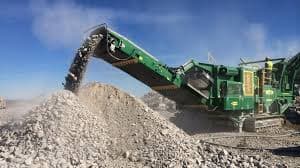
Recycled concrete aggregate is exactly what it sounds like: old concrete that's been crushed, screened, and processed into usable aggregate material. Instead of hauling demolished concrete to a landfill, recycling facilities break it down into various sizes that get used just like traditional crushed stone.
The process:
- Collection - Concrete from demolition sites, old driveways, and construction projects is brought to a recycling facility
- Crushing - Heavy machinery breaks the concrete into smaller pieces
- Screening - The crushed material is sorted by size (typically ranging from fine particles to 2+ inch chunks)
- Metal removal - Magnets extract any rebar or metal debris
- Quality control - The final product is inspected to ensure consistency
Common RCA Sizes and Their Uses
| Size | Common Name | Best Uses | |------|-------------|-----------| | 3/8" minus | Crusher fines | Paver base, compaction, pipe bedding | | 3/4" | #57 stone equivalent | Drainage, French drains, base material | | 1-2" | #2 stone equivalent | Driveways, parking lots, road base | | 2-4" | Rip rap | Erosion control, drainage ditches |
Why Contractors Love RCA
1. Significant Cost Savings
RCA typically costs 30-50% less than virgin crushed stone. For large projects, that adds up fast:
- 100-ton driveway project: Save $500-$1,500
- Commercial parking lot: Save $5,000-$15,000
- Road base projects: Save $10,000+
2. Excellent Compaction Properties
Recycled concrete actually compacts better than many virgin aggregates because:
- The angular, irregular shapes lock together
- Residual cement paste helps bind particles
- Creates a stable, solid base that doesn't shift
3. Environmental Benefits
Using RCA keeps concrete out of landfills and reduces:
- Quarry mining and the habitat destruction that goes with it
- Transportation emissions (local recycling vs. distant quarries)
- Overall project carbon footprint
4. LEED Points
For commercial projects pursuing LEED certification, using recycled materials like RCA can earn valuable points toward certification.
Is RCA Right for Your Project?
Perfect For:
- Driveway bases and sub-bases
- Parking lot foundations
- Road construction and repair
- French drains and drainage systems
- Backfill material
- Retaining wall drainage
- Temporary construction roads
- Pipe bedding
- Erosion control
Not Recommended For:
- Decorative exposed surfaces (appearance varies)
- High-sulfate soil environments
- Structural concrete mix (without proper testing)
- Projects requiring exact color matching
How to Order RCA: What Contractors Need to Know
When ordering recycled concrete aggregate, keep these tips in mind:
1. Specify Your Size Requirements
Different applications need different sizes. Be clear with your supplier about what you need.
2. Ask About Source Material
Quality recycling facilities only accept clean concrete - no asphalt, wood, or debris mixed in.
3. Request Gradation Reports
For critical applications, ask for documentation showing the material's particle size distribution.
4. Plan for Compaction
RCA compacts about 10-15% when properly installed. Order accordingly.
5. Consider Delivery
Most suppliers offer delivery by dump truck. Factor this into your project timeline and cost.
RCA vs. Virgin Aggregate: Head-to-Head Comparison
| Factor | RCA | Virgin Aggregate | |--------|-----|-----------------| | Cost | Lower | Higher | | Availability | Depends on location | Widely available | | Compaction | Excellent | Good | | Appearance | Variable (gray/white) | More consistent | | Environmental impact | Lower | Higher | | Quality consistency | Good when sourced properly | Very consistent |
Common Questions About Recycled Concrete
How long does RCA last?
When properly installed, RCA driveways and bases can last 20+ years - comparable to virgin materials.
Does RCA drain well?
Yes. The angular shapes create natural voids that allow excellent water drainage, making it ideal for French drains and drainage applications.
Can I use RCA for a new driveway?
Absolutely. Many contractors prefer RCA for driveway bases. Top it with asphalt or concrete for a finished surface, or use larger RCA as a standalone gravel driveway.
Is RCA approved for construction use?
Yes. Most state DOTs approve RCA for road construction, and it's widely accepted for residential and commercial projects.
To Sum Up
Recycled concrete aggregate is a smart, sustainable, cost-effective alternative to virgin materials for contractors and homeowners both. With proper sourcing and installation, RCA performs just as well as - and often better than - traditional crushed stone.
Related guides
- RCA vs. Gravel for Driveways: Which Is Better? (Honest Comparison) — Head-to-head on cost, durability, appearance, and maintenance for driveway use.
- Using Recycled Aggregate for LEED Points: A Contractor's Guide — How RCA earns Materials & Resources credits on green building projects.
- Understanding Aggregate Sizes: #57, #2, Crusher Run & More Explained — What each RCA size (#57 equivalent, 3/4 minus, 1-2 inch) is actually used for.
Ready to use RCA on your next project? Contact Smoky Mountain Sand & Gravel at (865) 999-0857 for pricing and availability in your area.
Ready to get started?
Serving Blount County, Knox County, and the greater East Tennessee region. Mon-Fri 7am-5pm, Saturday 8am-12pm.