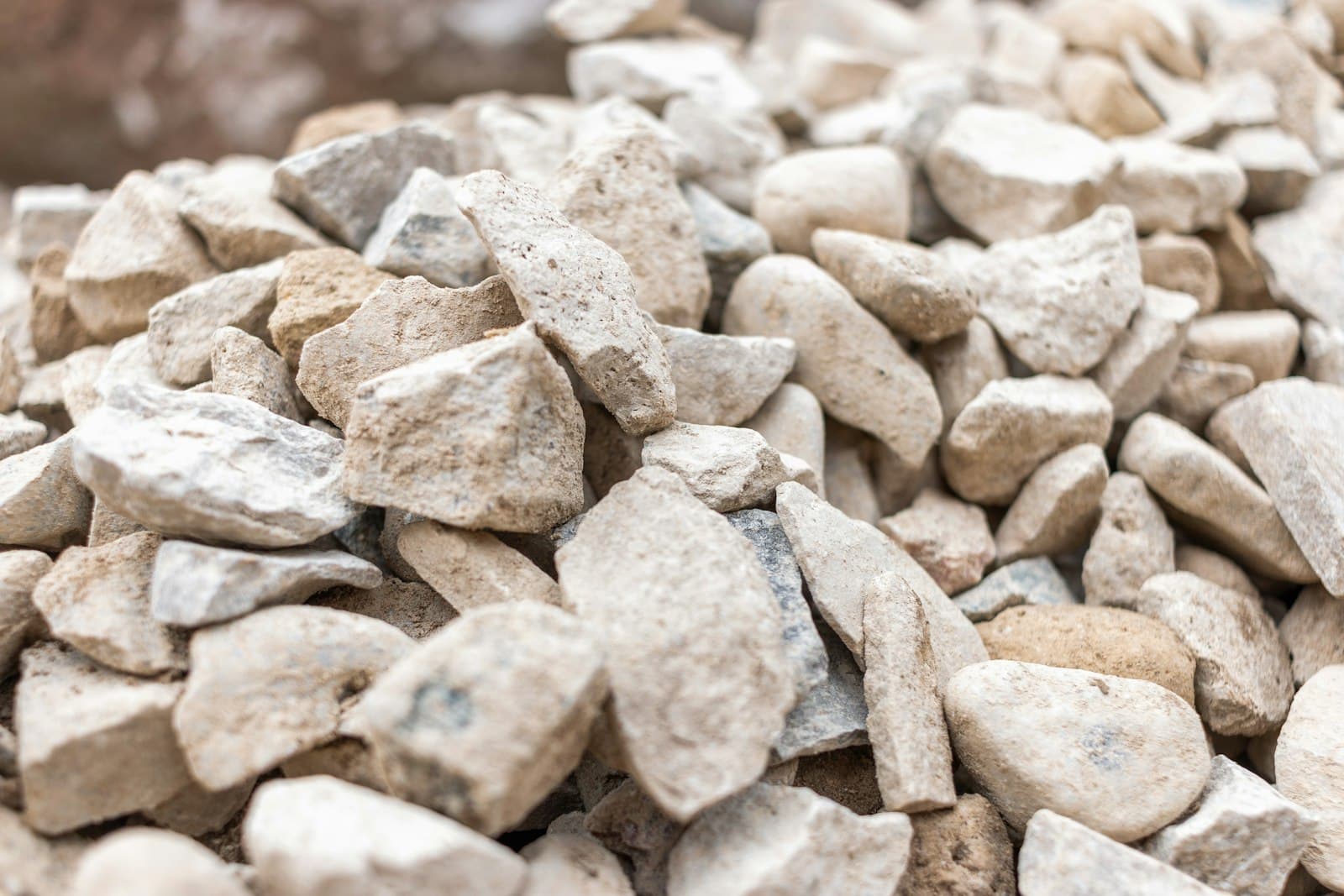
Can You Bury Concrete on Your Property in Tennessee?
Quick answer: In Tennessee, clean concrete, brick, rock, and soil are generally treated as inert or clean fill. That does not automatically mean you can bury a pile of it anywhere on your land. State solid waste rules, local grading and stormwater permits, floodplain and stream buffer rules, and HOA covenants can all apply, and buried concrete can cause problems later.
- A few pieces as landscape fill: usually low risk, but check local rules
- A truckload or more: call your county codes office and your TDEC field office first
- Easier option: clean concrete drops free at Smoky Mountain Sand & Gravel, 245 Brookdale Rd, Maryville. Call (865) 999-0857
This is general information, not legal advice. Rules vary by county, city, and site.
It's a fair question. You've got a pile of broken concrete from a patio or driveway, there's a low spot in the back yard, and hauling it off sounds like work. Why not just bury it? Here's what to think through before you start digging.
Is It Legal to Bury Concrete in Tennessee?
The honest answer is: it depends on what the material is, how much there is, and where you put it.
Clean concrete is generally considered inert, meaning it doesn't rot or leach like household trash does. That's why clean fill is treated differently from garbage. But "treated differently" isn't the same as "unregulated." A few layers of rules can apply:
| Rule layer | Who handles it | What it can affect |
|---|---|---|
| State solid waste rules | TDEC (Tennessee Department of Environment and Conservation) | Whether a large volume of fill counts as disposal, and what material qualifies as clean fill |
| Local grading and land disturbance | City or county codes / engineering office | Permits for filling, grading, or changing drainage |
| Stormwater rules | Local stormwater program, TDEC | Erosion control and runoff, especially on larger disturbed areas |
| Floodplain and stream buffers | Local floodplain administrator, TDEC | Filling near creeks, streams, wetlands, or in a mapped floodplain |
| HOA covenants and deed restrictions | Your HOA | Many neighborhoods restrict fill, grading, or debris storage |
We're not going to quote specific rule numbers or volume thresholds, because they change and they depend on your site. The practical takeaway: a few chunks used as landscape fill is very different from burying a whole driveway. Before you bury more than a small amount, call your county codes office and your regional TDEC field office and describe what you're planning.
What Counts as Clean Fill?
This is where a lot of people get tripped up. "It's just concrete" often isn't quite true by the time it's broken up and piled.
| Generally clean fill | NOT clean fill |
|---|---|
| Plain broken concrete | Concrete mixed with trash, wrappers, or bags |
| Brick and block | Concrete with wood, forms, or stakes in the pile |
| Natural rock and stone | Painted, sealed, or coated concrete |
| Clean soil | Concrete with tile, mastic, or flooring stuck to it |
| Concrete with oil, fuel, or chemical staining from a shop floor | |
| Mixed construction debris (drywall, roofing, insulation) |
Rebar is its own issue. Reinforced concrete is still concrete, but rebar sticking out of buried chunks is a real hazard. It catches tillers, mower blades, post-hole diggers, and excavator buckets years later. If you bury anything, the exposed steel should be cut flush, and honestly at that point hauling it is usually easier. (We take concrete with rebar as-is. See do I need to separate rebar from concrete.)
What Can Go Wrong When You Bury Broken Concrete?
Even when it's legal, burying concrete creates problems people don't think about until later.
Settling and voids
Broken concrete doesn't pack like soil. Chunks bridge against each other and leave air pockets. Over a few seasons, soil washes down into those voids and the surface sinks. That low spot you filled can come back as a lower, lumpier low spot.
Sinkholes and karst
Much of East Tennessee sits on limestone karst. Low spots in a yard are sometimes the surface sign of a developing sinkhole. Filling one with concrete rubble doesn't fix the cause and can make drainage worse. If a depression keeps growing, talk to a geotechnical engineer or your local codes office, not a dump truck.
Drainage
A buried rubble layer can redirect water in ways you don't expect: toward a foundation, into a neighbor's yard, or into a pocket that stays soggy. Changing drainage onto a neighbor's property can create its own problems.
Future digging
Footings for an addition, a fence line, a septic repair, a new water or gas line, or a tree planting can all hit buried concrete. What took an afternoon to bury can turn into an extra day of excavator time later.
Selling the property
Large amounts of buried debris can come up during inspections or when a buyer's builder starts digging. It's worth thinking about what you'd want to disclose. Ask your real estate agent or attorney if you're unsure.
Small Amounts vs Truckloads
| Situation | Typical risk | Suggested step |
|---|---|---|
| A few pieces used as edging, stepping stones, or a dry-stack wall | Low | Usually fine. Many people reuse it this way. |
| A wheelbarrow or two to fill a small hole, away from structures and water | Low to moderate | Make sure it's clean, compact well, and cap with soil |
| A full patio or driveway buried in a low spot | Moderate to high | Call county codes and TDEC before you do it |
| Anything near a creek, ditch, wetland, or floodplain | High | Don't. Get guidance first. |
| Filling a sinkhole or growing depression | High | Get professional advice. Don't fill it with rubble. |
For reuse ideas that keep concrete above ground, our broken concrete homeowner guide covers urbanite walls, paths, and more.
The Simpler Option: Free Clean Drop-Off
If you have more than a few pieces, hauling it is usually less work than burying it right. Digging a hole big enough for a 10 x 10 patio's worth of rubble (about 2.5 tons) is a full day with a shovel or a rented machine. Loading it in a truck and driving to Maryville is a couple of hours.
At Smoky Mountain Sand & Gravel, clean loads drop free:
| Accepted free when clean | Not accepted |
|---|---|
| Concrete, with or without rebar or wire mesh | Trash and household waste |
| Asphalt chunks and broken pavement | Wood, stumps, lumber |
| Brick and block | Drywall and roofing |
| Natural stone and rock | Mixed C&D debris |
| Clean fill dirt (call ahead only) | Hazardous material |
- No scale, no appointment for clean loads
- Pickups up to tri-axles, from any county
- Mon-Fri 7 AM to 5 PM, Saturday 8 AM to noon, closed Sunday
- Mixed or dirty loads: call (865) 999-0857 before you haul
Compare that with a landfill: the Blount County Landfill charges about $60 per ton for concrete and is open weekdays only, about 7 AM to 3 PM. Knox County convenience centers refuse concrete. That's part of why burying it is tempting, and why a free recycling drop-off makes more sense.
The concrete you drop off doesn't get buried either. It gets crushed into recycled aggregate (RCA) that goes back under driveways and slabs. See how concrete recycling works.
Not sure how much you have? The concrete tear-out calculator estimates tons from slab size. First trip? Read first time dumping concrete and how to load your truck.
Need Fill for That Low Spot Instead?
If the real goal is filling a low area, rubble isn't the best material anyway. Clean soil is better for lawns. For areas that need to support weight or drain well, compacted RCA crusher run (3/4" minus with fines) packs hard and stays put, and RCA #57 works for drainage. We sell both with delivery available. Call (865) 999-0857 for pricing or see aggregate for sale.
Bottom Line
- Clean concrete is generally treated as inert fill in Tennessee, but burying it can still trigger state, local, floodplain, and HOA rules.
- Concrete mixed with trash, wood, coatings, or contamination is not clean fill.
- Buried rubble can settle, worsen drainage, complicate future digging, and mask karst problems.
- For more than a few pieces, call your county codes office and TDEC field office first, or skip the hassle and bring it to free concrete drop-off at 245 Brookdale Rd, Maryville.
Smoky Mountain Sand & Gravel 245 Brookdale Rd, Maryville TN 37801 (865) 999-0857
More: concrete disposal service, Blount County, Knox County, Sevier County, Loudon County.
Not legal advice. Check with your local codes office and TDEC for rules that apply to your property.
Frequently Asked Questions
Is it legal to bury concrete on my property in Tennessee?
Clean concrete is generally treated as inert or clean fill, but burying it can still be subject to state solid waste rules, local grading and stormwater permits, floodplain and stream buffer rules, and HOA covenants. Call your county codes office and your TDEC field office before burying more than a small amount.
What counts as clean fill?
Generally, clean concrete, brick, rock, and soil with nothing else mixed in. Concrete with trash, wood, painted or coated surfaces, or contamination is not clean fill.
Can I bury concrete with rebar in it?
Rebar sticking out of buried concrete is a hazard for future digging and mowing, and it is not what most people mean by clean fill. If you are getting rid of reinforced concrete, it is simpler to haul it to a recycler that accepts rebar.
What problems can buried concrete cause later?
Settling, voids, poor drainage, trouble digging footings or utility trenches, and in East Tennessee karst areas, possible sinkhole issues. It can also come up as a disclosure question when you sell.
What is the easiest alternative to burying concrete?
Haul it to Smoky Mountain Sand & Gravel at 245 Brookdale Rd in Maryville. Clean concrete, with or without rebar, drops free with no scale and no appointment.
Is this legal advice?
No. Rules vary by county, city, and site. Check with your local codes office and TDEC for your situation.
Related Guides
Ready to get started?
Serving Blount County, Knox County, and the greater East Tennessee region. Mon-Fri 7am-5pm, Saturday 8am-12pm.